
Affiliate Disclosure: Some links on this page are affiliate links. If you register via these links, we may earn a commission. This does not affect our editorial independence or ratings.
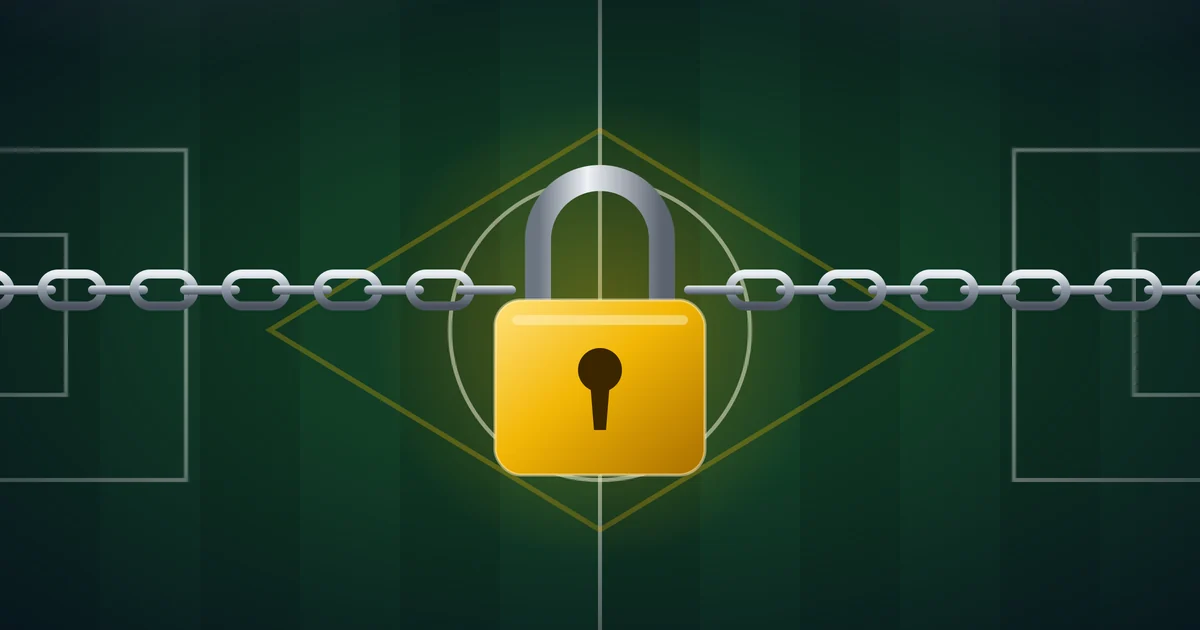
Luiz Inácio Lula da Silva’s narrow victory in Brazil’s presidential runoff on 25 October has kept the government that created the Brazil betting ban firmly in power. For an industry that had hoped a change of government would reopen what has been described as the world’s fifth-largest gambling market, the result is a setback. But it is not the final word. The future of online sports betting and casino gaming in Brazil now rests with Congress and the Supreme Federal Court (STF), and the congressional deadlines begin in November.
How Brazil Went From Regulation to Prohibition in Two Years
Brazil’s path to a regulated market was a long one. Fixed-odds betting was legalised in 2018, but the rules needed to license operators were never issued under the previous administration. Lula’s government changed that with Law 14.790 in December 2023, which set out a full framework for sports betting and online casino games. The federal regulated market went live on 1 January 2025, overseen by the Secretariat of Prizes and Betting (SPA) within the Ministry of Finance.
Licensed operators paid licence fees of R$30 million each, and sports betting accounted for roughly 57% of online gambling revenue in 2025. Between January and September 2026, Brazil’s Federal Revenue collected more than R$11 billion from betting and gaming.
Throughout 2026, however, the political debate shifted towards household debt and gambling-related harm. On 25 September, nine days before the first round of voting, Lula signed Provisional Measure (MP) 1,394/2026, banning the operation, offering and advertising of fixed-odds bets and online casino games with immediate effect.
The timeline of the shutdown
- 25 September: MP 1,394 published; new deposits banned immediately.
- 5 October: deadline for players to request voluntary withdrawals.
- 6 October: licensed betting sites and apps go offline.
- 25 October: all federal and state licences expire, with no refund of licence fees and no compensation for operators.
According to the operators’ association ANJL, the ban closed 85 licensed operators, led to more than 3,500 layoffs and placed over 4,100 further workers on collective leave.
What Lula’s Victory Changes for the Brazil Betting Ban
The runoff was effectively a referendum on two different visions for the sector. Lula reportedly won around 51.8% of the vote after trailing Flávio Bolsonaro in the first round by 47.03% to 45.16%. During the final week of the campaign, the president stated that betting would not return and described the sector as a plague.
Bolsonaro took a different line. He called the MP electioneering and populist, and signalled support for a model that would keep sports betting but end online casino games. Many in the industry had expected his victory to lead to the ban being overturned or amended.
Lula’s win therefore means the executive branch will continue to defend the Brazil betting ban. What it does not mean is that the ban is permanent. A provisional measure has the force of law for a limited period only. To survive, it must be approved by Congress.
Why the election alone does not decide the outcome
Lawyers acting for operators have stressed that the election shapes the political climate but does not determine the sector’s legal future. Two separate processes now matter far more than the result itself:
- The congressional vote on MP 1,394, which can approve, amend or reject it.
- Three constitutional challenges before the Supreme Federal Court.
There is also a complicating factor for the government: Bolsonaro’s party strengthened its position in Congress at the same election, which could make it harder to pass the measure in its current form.
Congress and the Supreme Court: The Two Clocks to Watch
The congressional timetable
MP 1,394 must pass through a joint committee, the Chamber of Deputies and the Senate. As of 23 October, the joint committee had not yet been installed. The urgency regime begins on 9 November, and the initial deadline is 23 November. Congress can extend that by a further 60 days, and because the count pauses during the parliamentary recess, the measure could remain in force until around March 2027.
Several amendments are already on the table. Most of the pro-industry proposals follow a “sports yes, casinos no” approach, prohibiting online casino titles such as the popular “Tigrinho” slot while keeping regulated sports betting. Other proposals would go further in restricting products, for example banning in-play wagering and limiting bets to final results and team statistics to reduce match-fixing risk. One amendment would treat prediction-market contracts as financial derivatives under the securities regulator, the CVM, rather than as bets, echoing the wider debate over prediction markets regulation.
The Supreme Federal Court challenges
Three direct actions of unconstitutionality are pending: ADI 8024 (filed by Anseja), ADI 8027 (ANJL) and ADI 8028 (the national mayors’ association). Justice Luiz Fux, the rapporteur, chose to wait until after the runoff before ruling and has since called a public hearing involving football clubs and other organisations. Clubs, broadcasters and the footballers’ union have joined the challenges.
Even if the court or Congress eventually overturns the Brazil betting ban, operators’ lawyers warn that a return would not be automatic. Licences formally expired on 25 October, and lawyers note that this extinction can still be challenged in court.
The Wider Impact on Operators, Suppliers and Affiliates
Operators
Major international groups have been forced to reassess. Flutter, which had invested around US$350 million in the Brazilian market, has withdrawn its Betfair brand. Entain’s leadership, by contrast, has said it expects the market to reopen in some form, noting that its Sportingbet business is around 70% sports betting and would be well placed under a sports-only model. Analysts at Citizens suggested that much of the impact was already priced into share values when the ban was announced, but warned that operators will be far more cautious about future investment in Brazil.
The black market
The central argument from industry associations is that prohibition pushes players towards unlicensed sites. ANJL’s monitoring platform counted more than 30,000 illegal betting sites still accessible in Brazil as of 12 October. In its statement congratulating Lula on his re-election, ANJL asked for dialogue to resume and said illegal betting had dominated the country during the ban. Government figures, meanwhile, have pointed to polling showing majority public support for prohibition. Licensing remains the main protection players have, which is why it sits at the centre of how we rate online casinos.
Sport and esports sponsorship
Football clubs are among the hardest hit, with betting revenue for clubs reportedly worth around R$600 million at risk. Flamengo has estimated the ban could cost it R$400–430 million in 2027 revenue. In esports, Counter-Strike organisations including MIBR, Fluxo W7M and FURIA have removed betting partners from some or all of their communications.
Affiliates and suppliers
For affiliates, the Brazil betting ban removes a market that had become a priority for Portuguese-language content and acquisition. Promoting operators to Brazilian players is prohibited under the MP’s advertising restrictions, so affiliates with Brazilian traffic should review compliance carefully. Lawyers and suppliers expect investment to shift rather than disappear, with Colombia and Peru seen as the Latin American markets best placed to benefit.
What Happens Next: Three Realistic Scenarios
- The ban is approved as written. Congress converts MP 1,394 into law, and the regulated market stays closed. Before the first round, the consultancy Regulus Partners put the chance of the ban becoming permanent at around 5%, although that estimate predates the election result.
- A sports-only reopening. Congress amends the measure to permit regulated sports betting while prohibiting online casino games. This is the direction most pro-industry amendments take, and the one industry experts most often point to.
- Prolonged uncertainty. The measure runs its full course into early 2027 while courts and Congress deliberate, keeping licensed operators offline in the meantime.
Whichever path is taken, political risk is now a central consideration for any regulated market.
Frequently Asked Questions
Is online betting currently legal in Brazil?
No. Since 25 September 2026, Provisional Measure 1,394 has prohibited fixed-odds sports betting and online casino games. Licensed sites went offline on 6 October, and all licences expired on 25 October.
Does Lula’s re-election make the Brazil betting ban permanent?
Not on its own. A provisional measure must be approved by Congress to become permanent law, and three constitutional challenges are pending before the Supreme Federal Court. The election strengthens the government’s political position but does not settle the legal question.
When will Congress vote on MP 1,394?
The urgency regime starts on 9 November, with an initial deadline of 23 November. That can be extended by 60 days, and the parliamentary recess pauses the count, so the measure could remain in force until around March 2027.
Could sports betting return without online casinos?
Yes. Several proposed amendments would allow regulated sports betting while banning online casino games. This sports-only model is the compromise most often proposed, though nothing has been agreed.
Did operators get their licence fees back?
No. The measure explicitly rules out refunds of the R$30 million licence fees and any compensation for operators, although legal experts expect compensation claims to be pursued in court.
The weeks after 9 November will be decisive for Brazil’s betting market. We will follow every development, and in the meantime you can explore our reviews of licensed no-wagering casinos.
Responsible Gambling: Gambling should be enjoyed as entertainment.
If you feel your gambling is becoming a problem, please visit
BeGambleAware.org
for free support and advice.

About the Author
James TurnerMaintains the ZeroWager technical stack, ensuring instant load speeds and mobile optimization.
View All Articles